A COLLECTOR FAMILY -Liechtenstein collections
The story of the Liechtenstein collections stretches back more than six centuries, shaped over generations by the personal tastes and interests of the reigning princes. Their collections grew to encompass paintings, sculpture, furniture, porcelain, tapestries, works in pietra dura and many other forms of art and craftsmanship. Among the family’s most important early collectors was Prince Johann Adam Andreas I, whose passion for Flemish painting led him to acquire an extraordinary number of works on the international art market, including more than fifty paintings by Peter Paul Rubens by 1712.
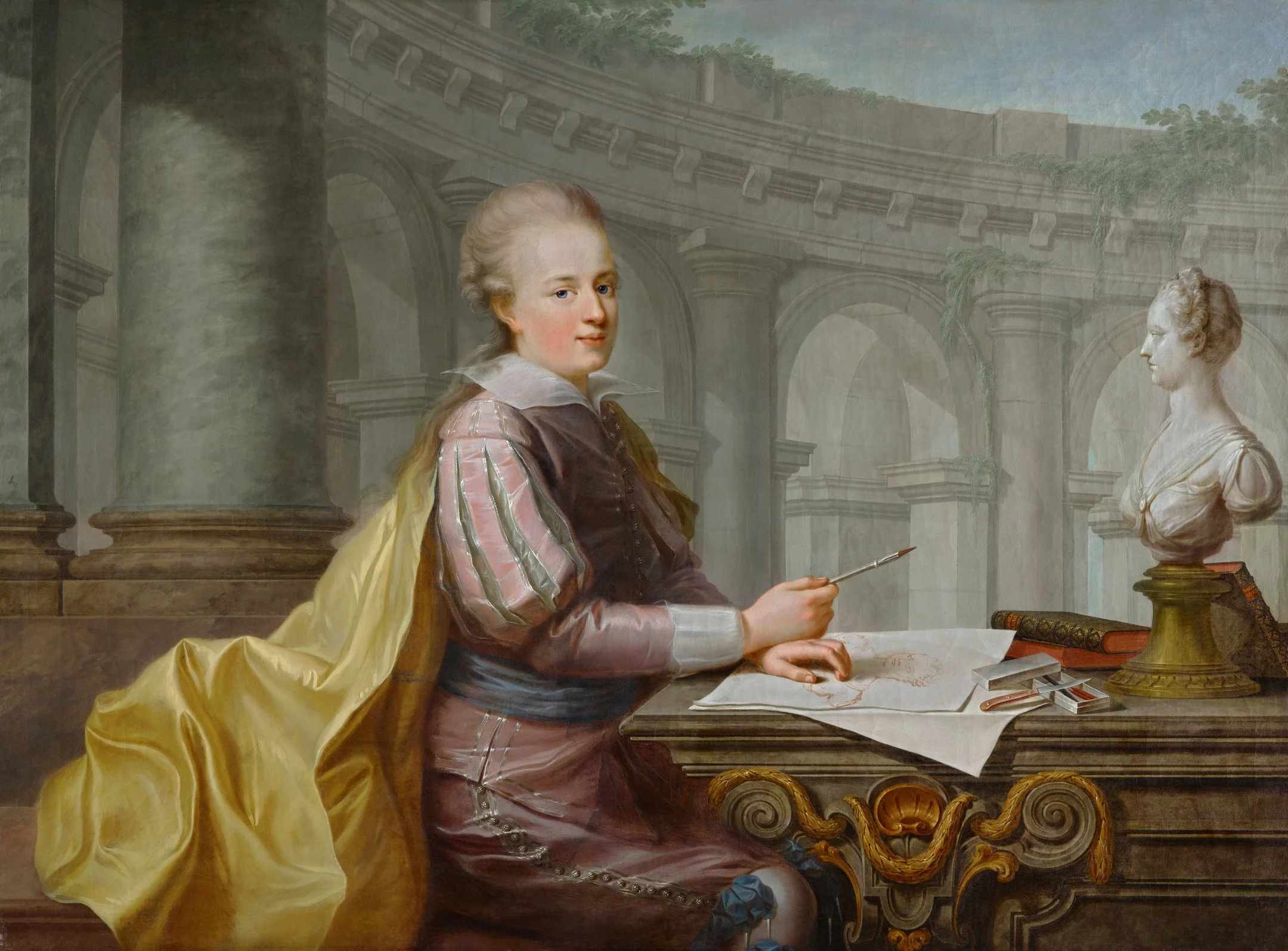
Prince Alois I von Liechtenstein (1759–1805) continued this tradition at the turn of the nineteenth century. He was deeply interested in art, architecture, books and the cultural life of his time. He commissioned works from artists including Élisabeth Vigée Le Brun, Heinrich Friedrich Füger, Joseph Hickel and Francesco Casanova, while also reshaping the family’s picture gallery in Vienna. By the end of his life, hundreds of his own acquisitions were hanging in the gallery at the City Palace on Bankgasse, where works from different family residences had been brought together.
A significant moment came under Prince Johann I von Liechtenstein (1760–1836). Between 1807 and 1810, the gallery was transferred from the City Palace to the Garden Palace, which was adapted specifically for the display of the collection.
In 1810, Johann I opened the gallery to the public for a fee, making the family’s art collection accessible to a wider audience for the first time. It was an important step in the history of the collection: a private princely collection became, in part, a public cultural experience.
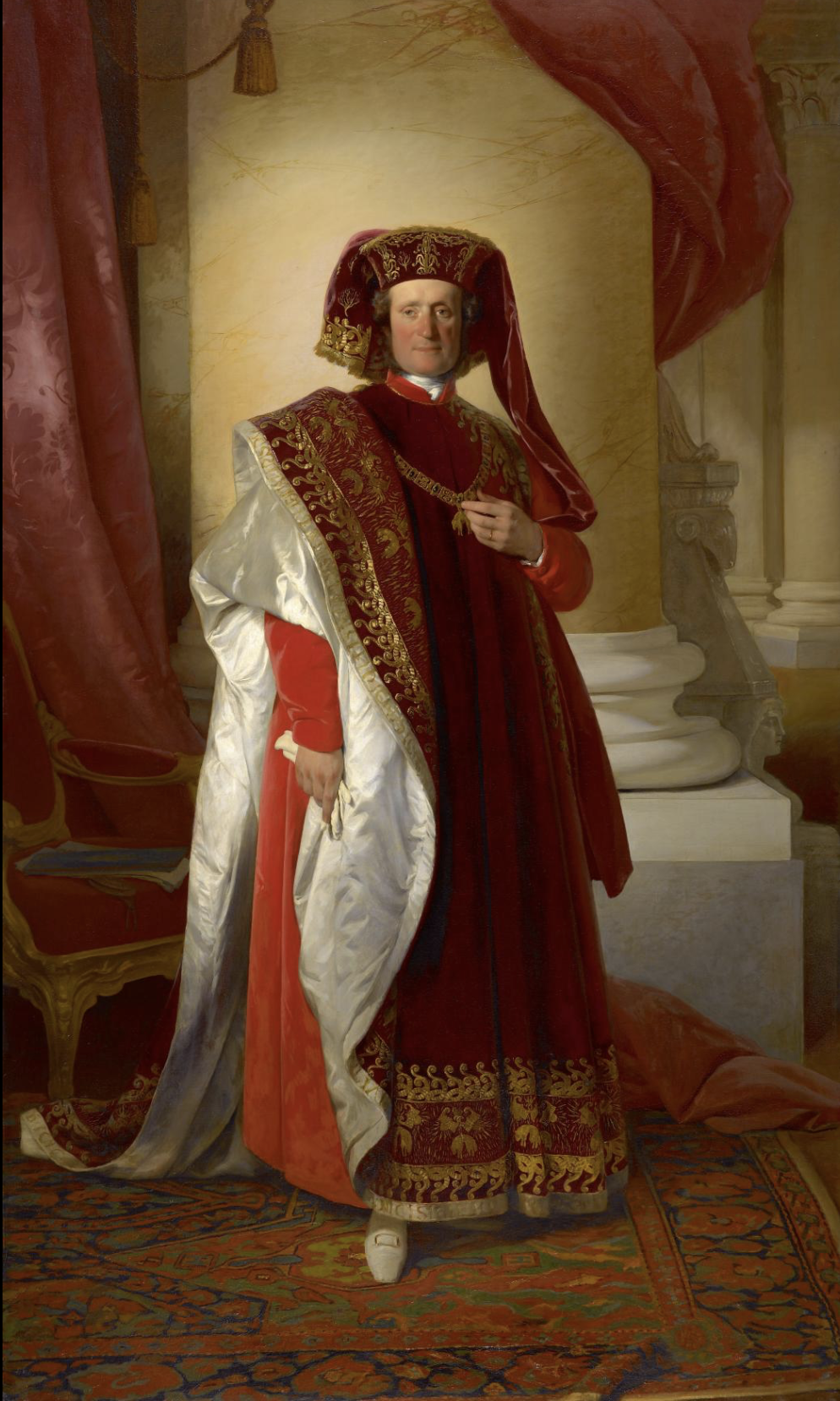
Alois II von Liechtenstein (1796–1858), the eldest son of Johann I, inherited this long tradition of collecting and continued to shape it in his own way.
He was particularly drawn to Biedermeier painting and developed personal relationships with many of the artists of his time. He bought works directly from their studios and commissioned new works, many of which remain at the heart of the Princely Collections’ Biedermeier holdings today.
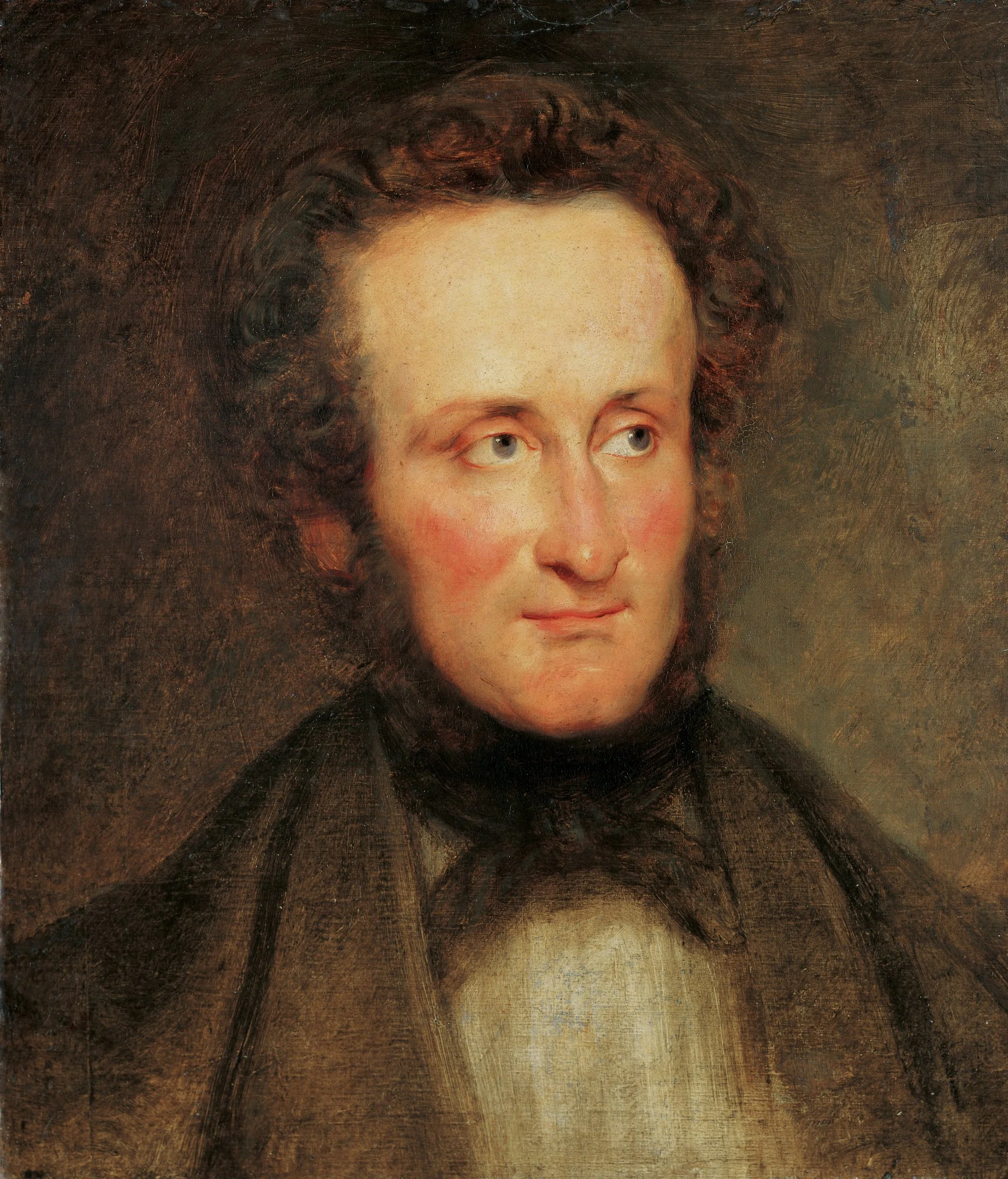
Artists such as Friedrich von Amerling, Peter Fendi, Friedrich Gauermann and Rudolf von Alt became closely connected with the Liechtenstein household. Their works did not only portray the family formally; they also captured children growing up, everyday scenes and intimate moments of family life. In this way, the collection became a visual record of the people and world surrounding Alois II.
Alois II also transformed the spaces in which this art was experienced. Influenced by his travels in England, he commissioned the architect Peter Hubert Desvignes to remodel the City Palace on Bankgasse. Its interiors brought together historic works with contemporary Biedermeier art, furniture, textiles and craftsmanship, creating an environment in which architecture, decoration and art were conceived as a whole. The renovated palace was formally opened with a grand ball in February 1848.
For Alois II, collecting was therefore not simply about possessing individual works. Art became part of the life of the family, the character of their homes and the cultural world they created around them.